
This has been a year of circling back and I’m not sad about it.
When an L.A. Times editing gig took a delightful turn in March, I gained temporary oversight of book reviews and reacquainted myself with the New York publishing world I left decades ago. Diving back into this world was a treat, alternately daunting (given the high volume of releases and tight review budget at my disposal) and thrilling (reading good books and well-crafted critiques). My editing duties are winding down, but I have savored the gig while it lasted, just as I told myself to do when it began.
I also discovered a woodsy creek side trail near my new home that’s a lot of fun to run. Canopied by trees and gently rolling, it reminds me of East Coast trails I took for granted before moving to L.A. Running down the hillside trail just like I used to in my younger days has been another Proustian treat in recent months.
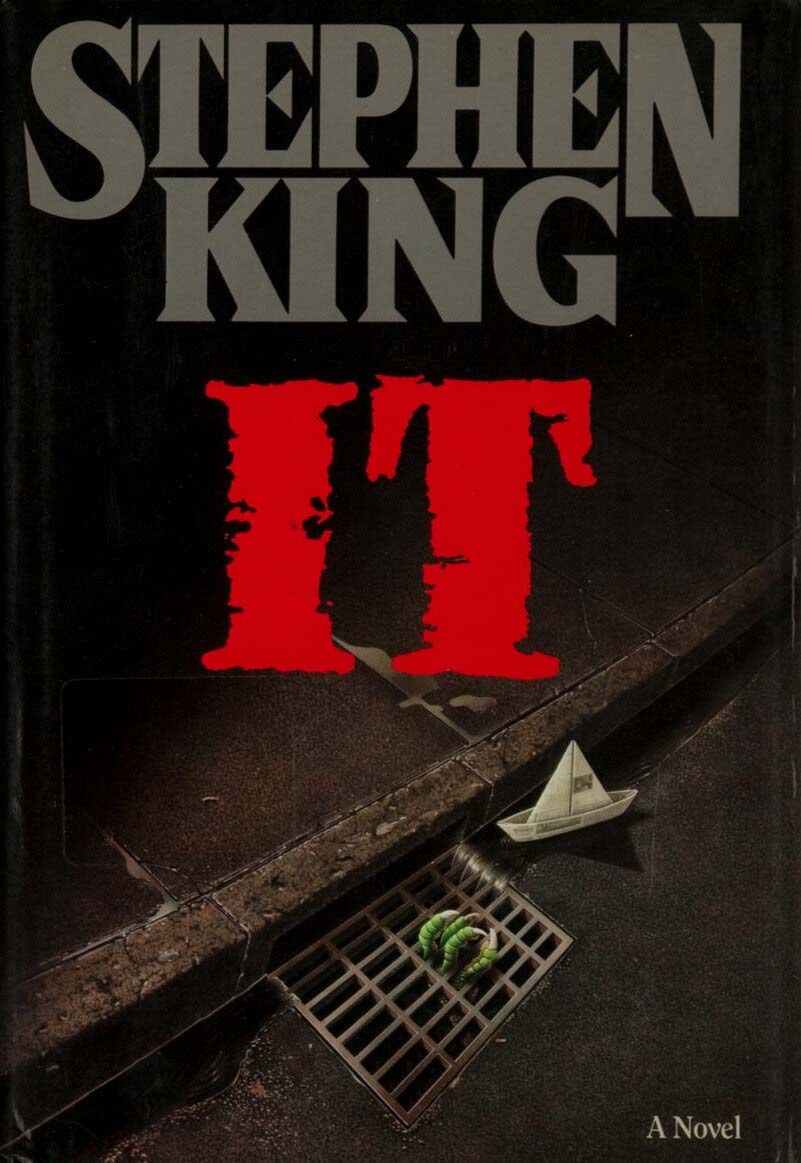
But back to books. My brief marketing job at Viking Penguin (as it was then called) was not right for me in a number of ways, not least its pitiful salary, but it did give me a glimpse into the business side of book publishing, and an oft-repeated anecdote about xeroxing copies of Stephen King’s “It” manuscript along with a less-traveled one about “The Basketball Diaries” author and “People Who Died” singer Jim Carroll hitting on a co-worker’s teenage daughter.
The actual marketing work? That had mostly faded from memory until my L.A. Times inbox started filling with pitch after pitch for coverage, jackets and titles blurring together in a sea of familiarity even as I reminded myself of the work that goes into individual book promotion.
Happily, there were plenty of distinctive offerings in the mix. One example: “Pick a Color,” a promising debut novel with a punchy title and jacket to match.

Souvankham Thammavongsa’s book, published by Little, Brown late last month, takes its title from the question nail salon workers ask customers as soon as they walk in the door. In just one of many amusing details, all the workers go by the name Susan to make it easier for customers while also playing on the fact that many of them can’t distinguish between similarly named and outfitted workers.
But Thammavongsa, a Canadian Laotian poet who previously wrote a well-regarded collection of short stories, makes it clear that they all have inner lives, as downplayed as they might be for customer consumption. Most vibrant of all: the narrator, a former boxer who revels in the freedom that comes with owning her own shop. The novel didn’t hold my attention to its conclusion but I was knocked out by Thammavongsa’s voice and the world she dramatically conjured in “Pick a Color.”
Wait, there’s more: Here is a link to my L.A. Times feature about “The Carpool Detectives,” a true crime book that reads like a novel, and guide to of five L.A. area novels released this summer. The authors for the latter graciously explained why they set their novels where they did and supplied their favorite local hangout spots, enabling readers to craft their own literary adventures as desired.


 You know the saying that happy families are all alike? I’m thinking there should be an addendum: Midlife crisis stories are inherently boring. Vague unease and ennui do not make for compelling drama.
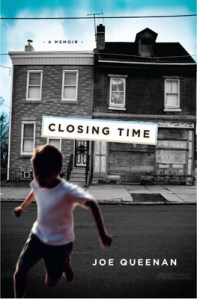 Wanna know why Joe Queenan’s so mean? His Dad was a nasty drunk. And they lived in the projects! What a salve that must be for the stars he has so relentlessly skewered over the years.
  Alas, Queenan’s wicked wit is mostly absent in “Closing Time”; he’s too focused on chronicling the horrors he survived. It’s too bad he couldn’t have taken the page out of much younger Mexican-American satirist Gustavo Arellano’s recent memoir cum history, “Orange County.” Arellano’s father also battled the bottle, albeit more successfully than Queenan’s dad, and his family also lived in wretched housing, but the twentysomething scribe does not hold a grudge at his family, preferring to lampoon the county’s racist past and present.
  Faced with proof that then Columbia prexy David Begelman forged checks, what did the company do? Throw him out on his ear? No, the board pressured top exec Alan Hirschfeld to keep the repentant former agent on staff, arguing that he was a good leader, and besides, the amount of money he stole wasn’t really that much.
 Diane Garrett